Decompressing the Body: A Holistic Approach

When chronic stress keeps the body in a state of high alert, recovery requires more than just rest—it demands deliberate and systematic release of physical tension. One effective method to achieve this is through the "Head-to-Toe" body scanning technique. This practice offers a structured way to move through the body methodically, identifying and releasing the subtle micro-tensions that build up in joints and muscles throughout the day. These small, often unnoticed tensions accumulate silently but significantly contribute to the overall feeling of fatigue and discomfort. The "Head-to-Toe" scan is not a passive exercise; it is an active, mindful process of “unlocking” the body, helping to restore balance and relaxation.
The technique begins with focused attention on different body parts, starting at the head and moving downward towards the toes. As you become aware of each area, you consciously soften and release any tightness or stiffness you find. This approach helps interrupt the automatic tension patterns that the nervous system maintains during times of stress. By regularly practicing this scanning and releasing, you retrain your body to notice where tension resides and how to let it go, promoting greater ease and relaxation throughout the day.
A key area of focus in this practice is the solar plexus, located just below the rib cage in the upper abdomen. This region plays a crucial role in how the body responds to stress. When we are anxious or under pressure, we tend to unconsciously lock our core muscles, creating a rigid posture that the body interprets as a state of readiness for danger. This tightening feels like bracing and perpetuates the “fight-or-flight” mode. Consciously relaxing the solar plexus is essential for signaling to the nervous system that it is safe to shift into a parasympathetic state—the deep relaxation phase where healing can occur. Softening this area sends a powerful message of safety and helps reduce overall muscle tension.
In addition to relaxing the core, visualization techniques can further enhance relaxation and counteract the effects of gravity’s constant downward pull on our bodies. By imagining the spine and hips reaching upward toward the sky, you create a mental sensation of “lifting” rather than collapsing. This simple mental cue physically reduces compressive stress on the torso, opens up space in the chest and abdomen, and encourages better posture. The feeling of being gently lifted lightens your body and supports deeper breathing, which also stimulates relaxation.
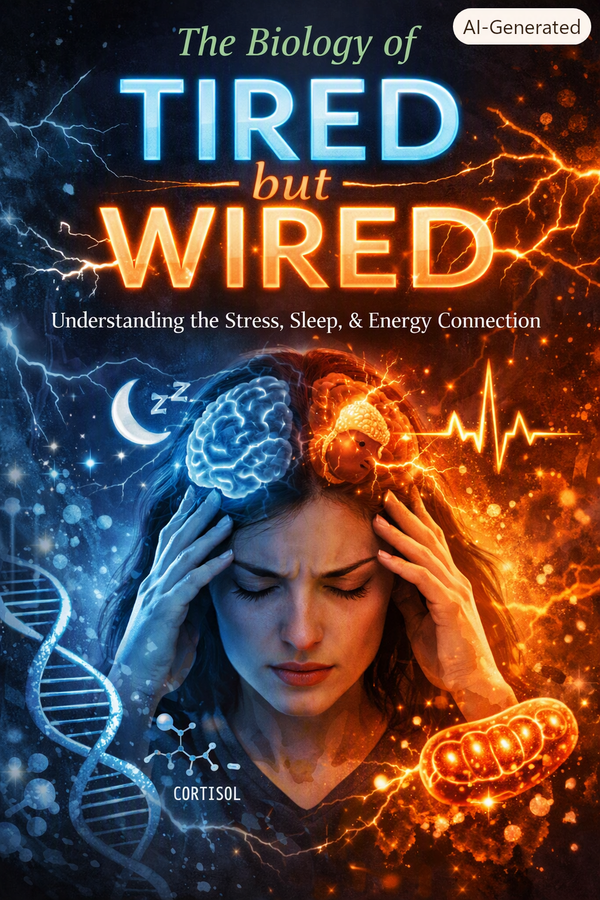
Importantly, these practices can be integrated into everyday “gap” moments—those brief pauses in daily life such as waiting in line, sitting at your desk, or taking a short break. Turning these small pockets of time into opportunities for nervous system regulation makes it easier to maintain calm and presence throughout the day. By combining physical release in the limbs—letting arms and legs soften—with focused mental awareness on core relaxation and spinal lengthening, you train your body to exit the exhausting “tired but wired” cycle.
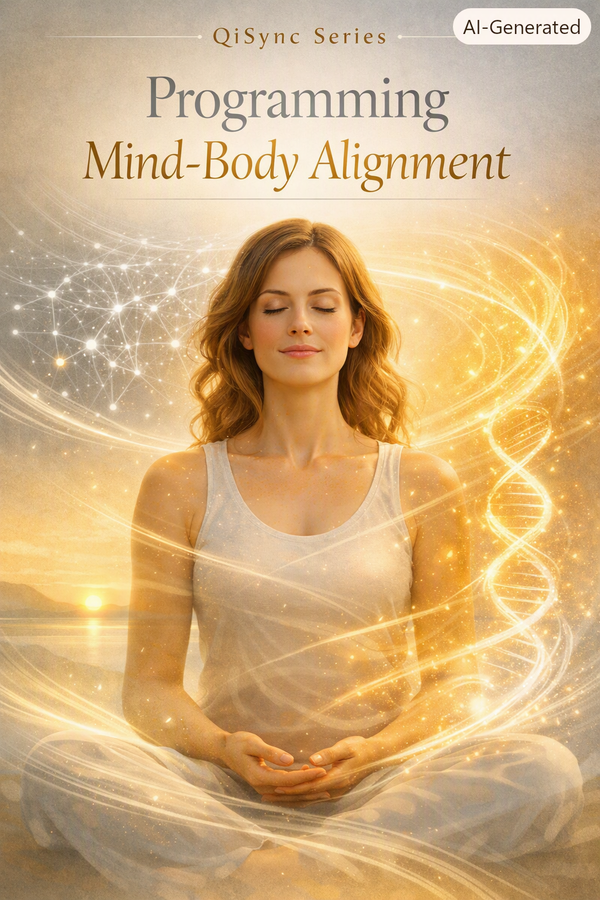
Over time, consistent practice fosters genuine mind-body alignment. You become more attuned to your body’s signals, able to release tension before it accumulates into discomfort or fatigue. This approach empowers you to reclaim your energy and move toward a state of natural ease and balance, reducing chronic stress’s harmful effects on both body and mind.