The Biology of "Tired but Wired"

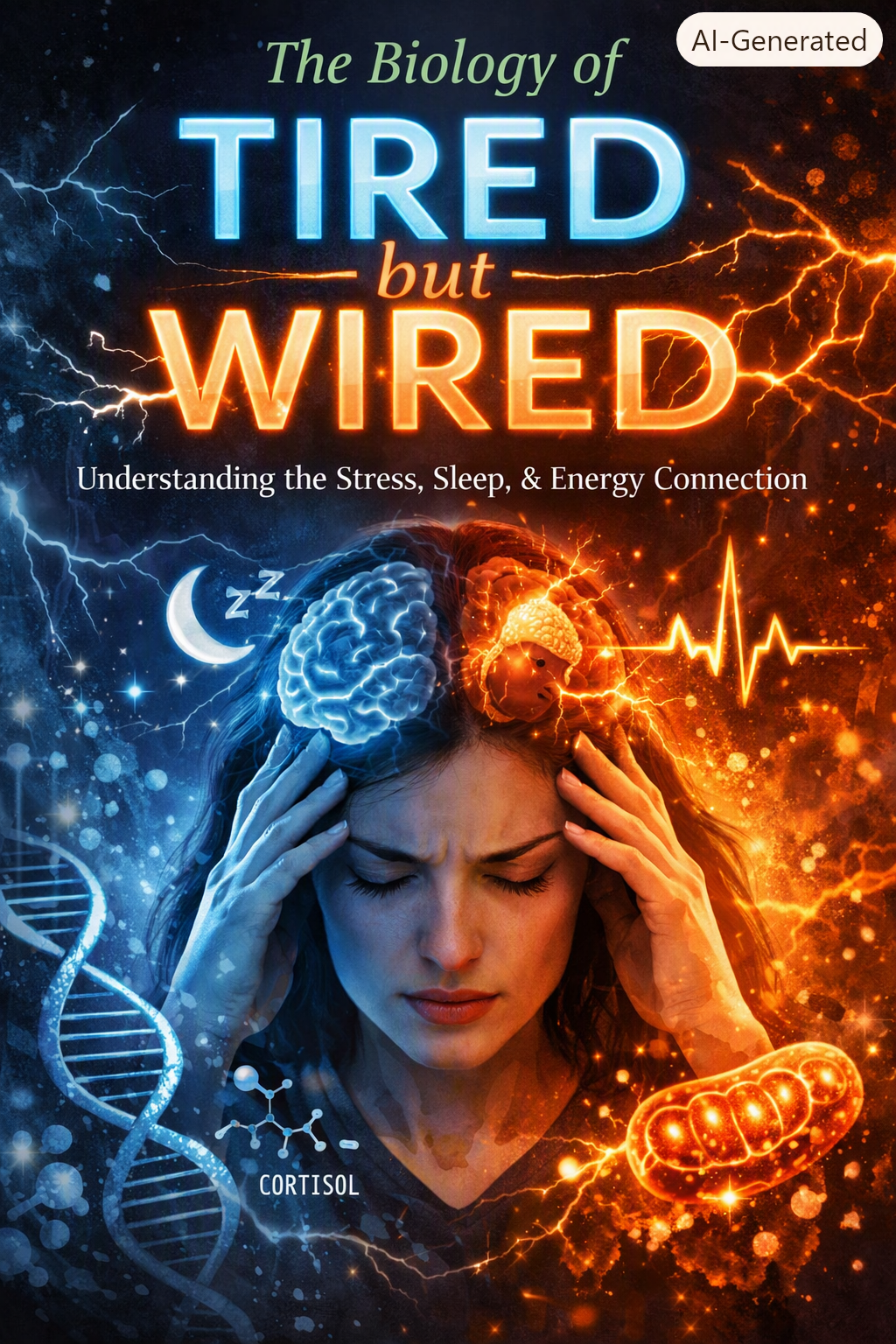
True rest remains elusive for many because we misunderstand the biology of fatigue. It is rarely about a lack of sleep; rather, it is often a symptom of a nervous system trapped in a state of high alert. When your sympathetic nervous system stays perpetually activated, your body continues to burn energy around the clock, even when you attempt to rest. This creates the paradoxical sensation of feeling "tired but wired"—your body is exhausted, yet it cannot downshift into the necessary recovery mode.
This state of high physiological arousal manifests physically through chronic tension. For instance, unconscious jaw clenching and grinding during the day—and even while sleeping—keep the facial and cranial muscles constantly engaged. This sustained muscular activity prevents true restorative downtime, leading to waking up with fatigue and tension headaches. To break this cycle, we must acknowledge that fatigue is not merely a battery level to be recharged with more sleep; it is a physiological signal that the nervous system is stuck in a protective, defensive posture. Recovery requires active intervention to signal safety to the body, allowing it to move from a sympathetic "fight-or-flight" state to a parasympathetic "rest-and-digest" state, where actual energy restoration occurs.
True rest remains elusive for many people because we often misunderstand the biology of fatigue. Most assume that feeling tired means simply not getting enough sleep and that the solution is to sleep longer or more deeply. However, fatigue is rarely just about sleep deprivation; it is often a symptom of a nervous system that has become trapped in a state of high alert. When the sympathetic nervous system—the part of the autonomic nervous system responsible for the "fight-or-flight" response—remains chronically activated, the body continues to burn energy around the clock, even during periods when you are trying to rest. This creates a paradoxical sensation commonly described as feeling "tired but wired": your body is physically exhausted, yet it cannot downshift into the necessary recovery mode that promotes true restoration.
This persistent state of high physiological arousal can manifest in various physical symptoms, most notably chronic muscle tension. One common example is unconscious jaw clenching and teeth grinding (bruxism), which often occurs during the day and even while sleeping. This sustained muscular activity keeps the facial and cranial muscles constantly engaged, preventing the body from fully relaxing. The result is not only ongoing tension but also difficulty achieving restorative rest. People experiencing this often wake up feeling fatigued, accompanied by tension headaches and soreness in the jaw or neck. These symptoms highlight how deeply the nervous system’s state of alertness interferes with recovery.
Understanding fatigue as more than just a depleted battery is crucial. Instead of viewing tiredness as something that can be simply fixed by sleeping longer, it should be seen as a physiological signal indicating that the nervous system is stuck in a protective, defensive posture. This defensive mode, driven by sympathetic activation, is designed to keep us safe in times of perceived threat, but when it becomes chronic, it disrupts normal rest and healing processes.
To break this cycle, active intervention is necessary to help the body transition from sympathetic dominance to parasympathetic activation—the "rest-and-digest" mode where actual recovery happens. Techniques that signal safety to the nervous system can encourage this shift. These may include practices such as deep, slow breathing exercises, progressive muscle relaxation, mindfulness meditation, gentle movement like yoga or tai chi, and creating a calm, supportive environment for sleep. By consciously promoting parasympathetic activity, these strategies help reduce excessive muscle tension and lower physiological arousal.
Over time, regular engagement in these practices can retrain the nervous system to feel safe enough to relax deeply, allowing energy restoration and improved quality of rest. Recognizing that fatigue stems from an overactive stress response rather than just lack of sleep opens new pathways for addressing "tired but wired" feelings effectively. True rest is possible when we support the nervous system in moving out of high alert and into a state where healing and rejuvenation can occur naturally.